Polyphenols & Health Benefits
Polyphenols & Health Benefits



Extra virgin olive oil is naturally high in monounsaturated fat. What distinguishes it from refined olive oil and many other cooking oils is that it also retains naturally occurring plant compounds called polyphenols.
Polyphenols contribute to the flavour, stability and nutritional qualities of fresh extra virgin olive oil. They are responsible for much of the bitterness and peppery finish found in early-harvest oils, and they help protect the oil itself from oxidation.
The amount found in an oil depends on many factors, including olive variety, growing conditions, fruit maturity, harvest timing, extraction, storage and age of the oil. Our heritage grove is dryland and relies entirely on natural rainfall. These water-limited conditions influence phenolic development.
We publish the total biophenol result for each harvest so customers can see what is actually in the oil. In 2026, our certified organic oils recorded levels ranging from 222 mg/kg in our softer Delicate oil to 457 mg/kg in our robust Olio Nuovo. A higher result generally brings greater bitterness and pepperiness, but the best choice depends on the flavour you enjoy and will use regularly.
Polyphenols are a broad group of compounds made naturally by plants. In olives, they help protect the fruit and contribute to the bitterness, pungency and keeping quality of the finished oil.
Important phenolic compounds and related substances found in extra virgin olive oil include hydroxytyrosol, tyrosol, oleuropein derivatives, oleacein and oleocanthal. Each has different properties, and an oil’s total polyphenol result does not show the amount of every individual compound.
Hydroxytyrosol and related compounds are known for their antioxidant activity. Oleocanthal is associated with the distinctive peppery sensation that can be felt at the back of the throat when tasting some fresh extra virgin olive oils.
Our three certified organic extra virgin olive oils are produced from our same single estate, but at different stages of the harvest. This creates a natural progression in both flavour and polyphenol level.
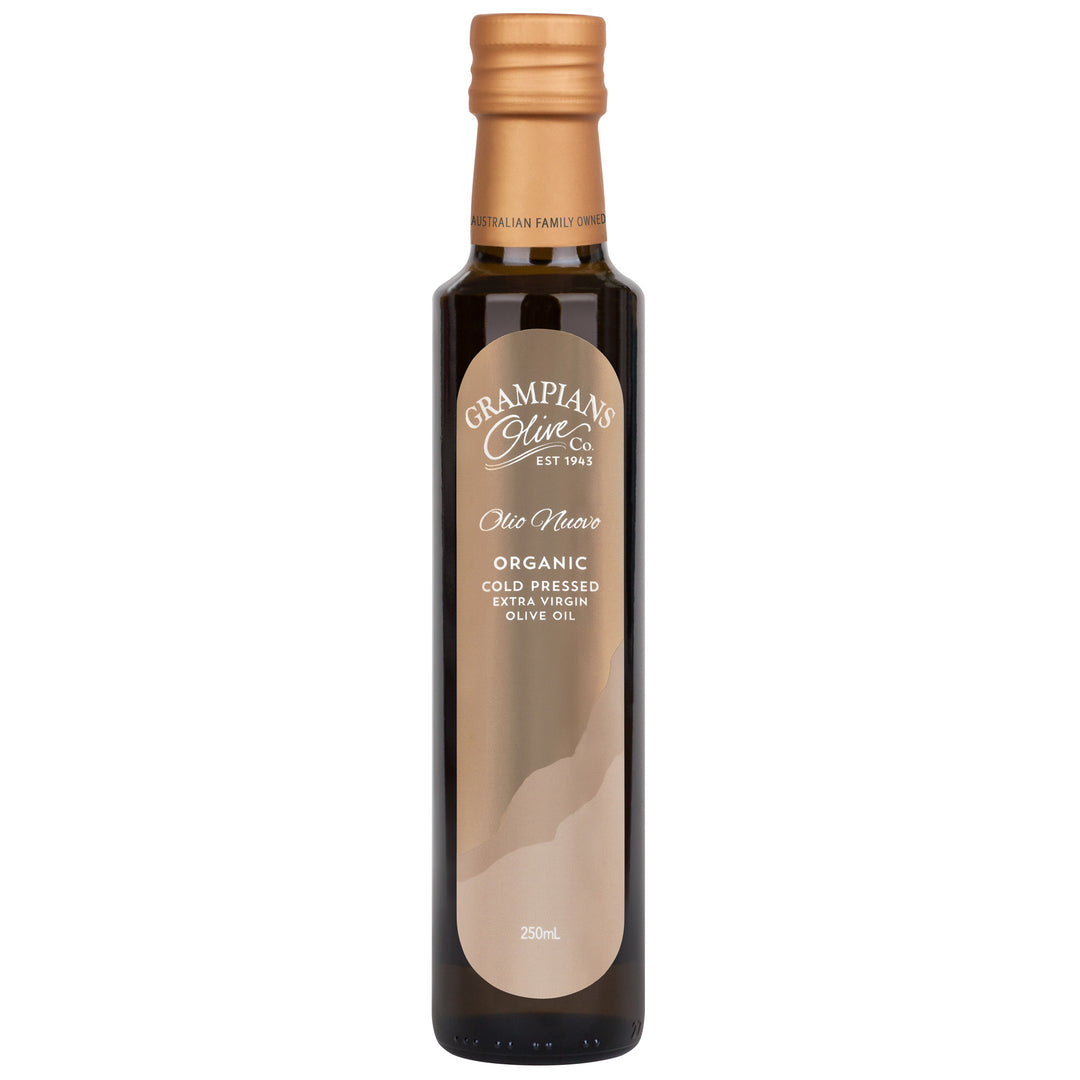
Olio Nuovo - First harvest - 457 mg/kg
Most robust, green and intensely peppery
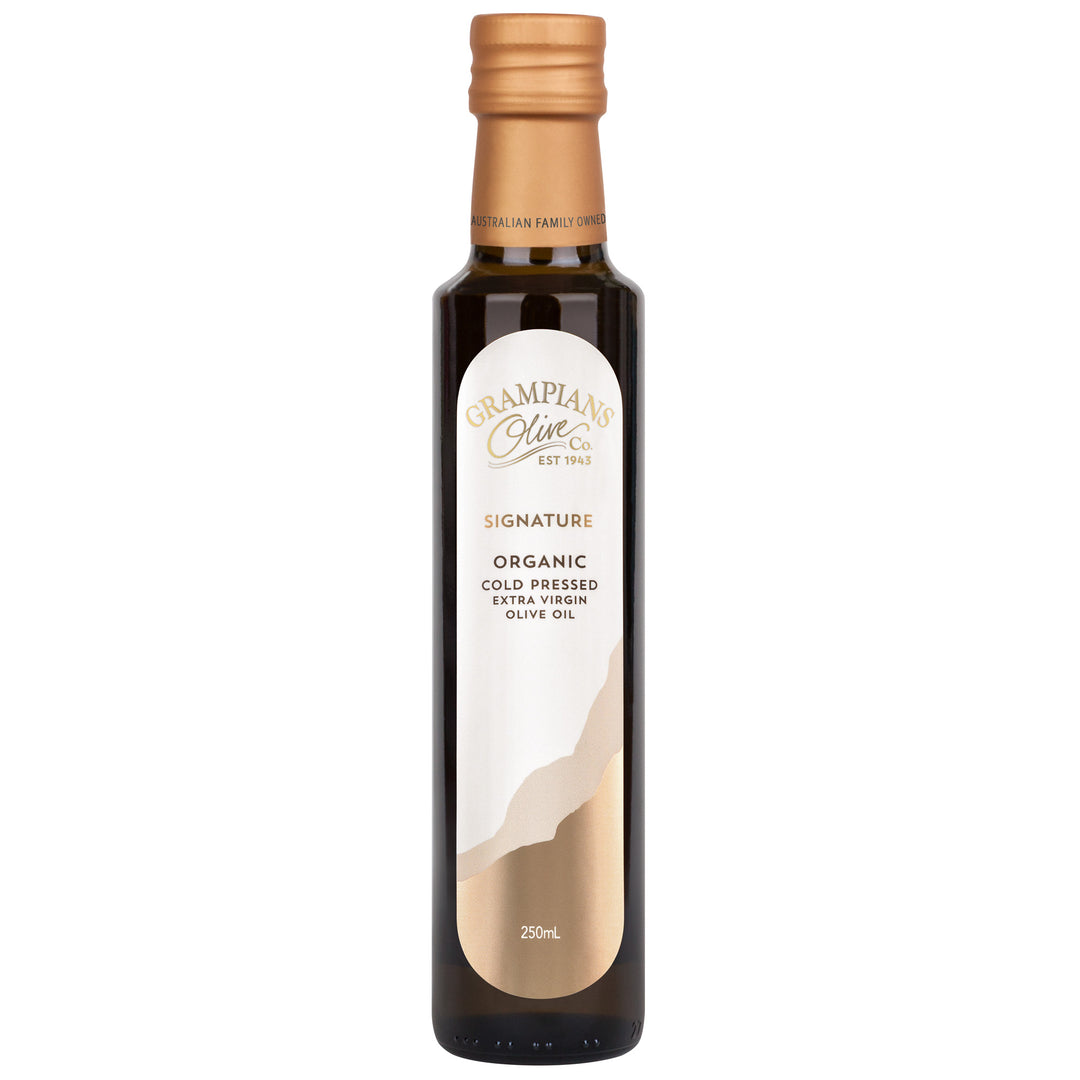
Signature - Early harvest - 316 mg/kg
Fruity and herbaceous, with balanced bitterness and pepperiness
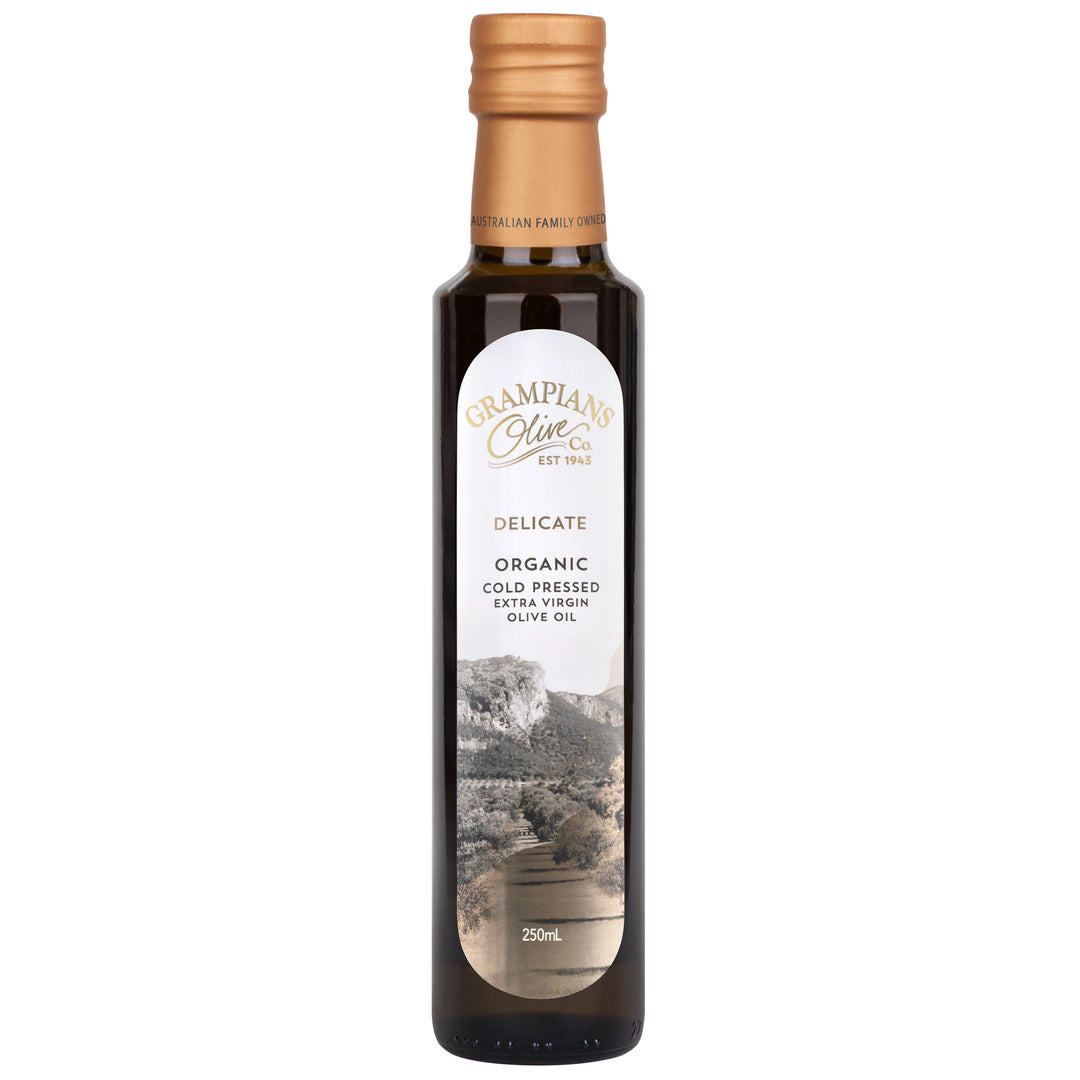
Delicate - Late harvest - 222 mg/kg
Softer and fruitier, with gentle bitterness and pungency
These figures relate specifically to our 2026 harvest. Polyphenol levels naturally vary from year to year and gradually decline as an oil ages. Results from different laboratories or testing methods may not be directly comparable.
We do not chase the highest possible laboratory number at the expense of flavour. Our aim is to make fresh, balanced extra virgin olive oils that reflect our heritage grove and will be enjoyed by our customers, with a choice of styles.
Olio Nuovo is for those who enjoy the intensity of the first harvest. Signature is an all rounder that combines early-harvest character with a balanced fruity profile. Delicate provides a softer option from riper fruit. Each is certified organic, single-estate grown and pressed on our farm from our organic olives.
Olives harvested earlier, while greener, generally produce less oil but a more robust flavour and a higher concentration of phenolic compounds. As the fruit ripens, oil yield increases and the flavour usually becomes softer and less bitter.
That pattern can be seen in our 2026 results. Olio Nuovo, produced from our first olives of the season, recorded the highest total biophenol level. Signature offers a balance of early-harvest character and everyday versatility. Delicate is made from riper fruit for customers who prefer a smoother, gentler oil.
The highest number is not automatically the best choice for every person or every meal. A very high-polyphenol oil can be intensely bitter or pungent. The best oil is one that is fresh, well made and suited to your taste, so you enjoy using it regularly.
Polyphenols begin with the fruit in the grove, but careful production processes help preserve them.
We grow, harvest and press our olives on our family farm at Laharum, at the foot of the Grampians. The fruit is pressed promptly after picking to maximise freshness. Our oils are unrefined, unfiltered and bottled in small batches.
Freshness matters after pressing as well. Heat, light and oxygen gradually reduce flavour and quality, including phenolic content. A harvest year and clearly identified producer tell you more than a distant best-before date alone.
Look for:
Be cautious when comparing polyphenol numbers between brands. Results may be expressed as total phenols, total biophenols or amounts of individual compounds, and different analytical methods can produce different figures.
To preserve flavour and quality:
Our bag-in-box casks exclude light and collapse as oil is dispensed, limiting its exposure to air. This makes them particularly useful for customers who buy larger quantities.
The wider evidence for olive oil is strongest when it is considered as part of a Mediterranean-style eating pattern rich in vegetables, legumes, wholegrains, nuts and minimally processed foods. Research does not support treating olive oil, or any one polyphenol, as a medicine or cure. There are two related reasons extra virgin olive oil is valued as part of a healthy eating pattern:
1. Olive oil is naturally high in oleic acid, a monounsaturated fat. Australian dietary guidance recommends replacing foods high in saturated and trans fats with foods containing unsaturated fats, including olive oil, as part of a balanced diet. The benefit depends partly on what olive oil replaces. Using it in place of butter, animal fat or other foods high in saturated fat is more meaningful than simply adding extra oil to an otherwise unchanged diet.
2. Extra virgin olive oil contains polyphenols. Human trials comparing olive oils with similar fat profiles but different phenolic content have reported greater protection of LDL particles from oxidation with higher-phenolic oils. Other studies have examined effects on blood-vessel function and markers associated with inflammation.
Bitterness on the tongue and a peppery catch at the back of the throat are normal, positive characteristics in fresh extra virgin olive oil. They are associated with particular phenolic compounds and are often more pronounced in early-harvest oils.
However, taste is only a guide. Different phenolic compounds produce different sensations, olive varieties have their own flavour profiles, and people vary in how strongly they perceive bitterness and pungency. Laboratory testing is the only reliable way to state a polyphenol level.
Not necessarily. Research supports the importance of olive oil polyphenols, but it has not established that health benefits continue to increase in direct proportion to ever-higher results. Very high levels can also make an oil extremely and unpleasantly bitter and pungent. Freshness, overall quality, flavour and regular use all matter.
Around 250 mg/kg is commonly used as the benchmark for high-polyphenol olive oil. This is the level associated with the European Union’s approved claim that olive oil polyphenols help protect blood lipids from oxidative stress when 20 g is consumed each day.
A more peppery oil is not automatically better, and a mild oil is not necessarily poor quality. Our Delicate oil is intentionally made from riper olives harvested late in the season for a softer flavour that many prefer - while remaining genuine, fresh extra virgin olive oil.
Yes - extra virgin olive oil naturally contains phenolic compounds, but the amount can range considerably. Variety, climate, fruit ripeness, milling, filtration, storage and age all influence the result. Refined olive oil generally contains far fewer of these compounds because much of the original phenolic content is lost during refining.
Yes. Extra virgin olive oil can be used for dressings, baking, roasting, sautéing and general home cooking. Some phenolic compounds and fresh aromas reduce with prolonged or very high heat, so using part of the oil after cooking is a good way to retain more of its fresh flavour. It is not necessary to reserve good extra virgin olive oil only for cold dishes.
Olive oil is an naturally grown product. Rainfall, temperature, crop load, olive variety, fruit maturity and processing conditions all change from season to season. We test and publish harvest-specific results rather than relying on a permanent average figure.
Oleocanthal is strongly associated with the throat-catching pungency of some extra virgin olive oils. It has been shown in laboratory research to act on the same COX enzymes as ibuprofen. This does not make olive oil a replacement for ibuprofen or any other medicine, and the amounts consumed as food are not equivalent to a therapeutic dose.
There is no single amount that is right for everyone. A practical approach is to use extra virgin olive oil as your main oil for cooking and dressing.
For context, the European Union has approved a claim that olive oil polyphenols help protect blood lipids from oxidative stress when 20 g of qualifying olive oil is consumed each day. Qualifying oils must meet the required polyphenol threshold, commonly expressed as 250 mg/kg.
Australian Government, Eat for Health: Fat and healthy eating
National Heart Foundation of Australia: Fats, oils and heart health
Covas MI et al. (2004): Effects of differing phenolic content in dietary olive oils on lipids and LDL oxidation
Estruch R et al. (2018): Primary prevention of cardiovascular disease with a Mediterranean diet supplemented with extra virgin olive oil or nuts
Beauchamp GK et al. (2005): Ibuprofen-like activity in extra virgin olive oil
European Commission: Conditions applying to the authorised olive-oil polyphenol health claim
This information is general in nature and is not medical or dietary advice. Extra virgin olive oil should be enjoyed as part of a varied, balanced diet.